| Hello! Enjoy the weekend with the most interesting, immersive reads from across the world every Saturday morning with our relaunched Five Great Reads newsletter. Sign up here. | | | |  | New year, same bad mobile service | | 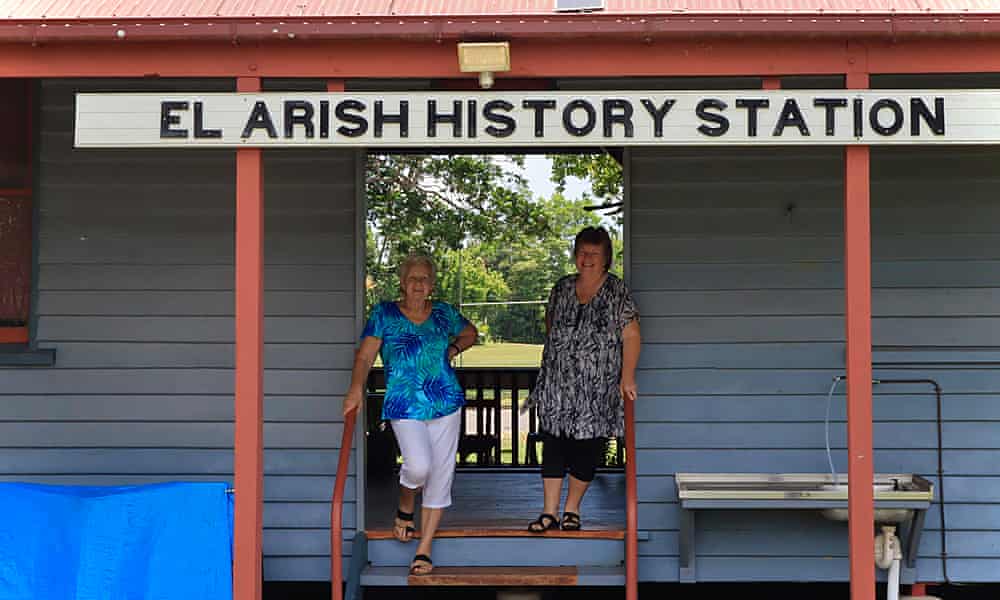 | Dear Rural Networkers,
Well, it's a new year but we're still talking about the same issues. Like mobile phone coverage – the number one technology frustration in the lives of many people living in regional Australia. Growing up we used to get one bar of mobile reception if you laid on your belly at the end of the hallway. For some reason it was always better at night; I remember being woken by the bright light and noisy rattle of a Nokia 3310 receiving a text message at 1am and falling off the window ledge. Even now, when Gabrielle and I chat on the phone, we often have long stretches of silence as one of us moves out of range. Inconsistent or simply absent mobile phone coverage can have catastrophic impacts during natural disasters, as the recent royal commission found. Even in normal times, being able to make a call can be a lifeline.
According to Associate Professor Mark Gregory from RMIT, the solution to our mobile connection woes is to mandate domestic mobile roaming, which would increase competition and give telcos a push to increase the quality of service. The Australian Competition and Consumer Commission last month ruled against an arrangement that would have seen Telstra and TPG share networks in regional Australia, creating an impetus, Gregory writes, for the Albanese government to step in. The National party is also on board, with David Littleproud calling this week for the extension of the universal service guarantee, which ensures that all Australian homes and businesses have access to both broadband and telephone services regardless of their location. It's a change the Coalition did not introduce in its nine years in office.
Speaking of connections, if I can stretch this segue, Khaled Al Khawaldeh has been exploring the links between the Queensland soldier settler town of El Arish and the seaside town in Egypt from which it draws its name. Queensland's El Arish was named by returning soldiers who spent time recuperating at a hospital in the original El Arish in the first world war, and had fond memories of the place. As Khaled writes, it's not clear what the Egyptian town thinks of its namesake, or whether they even know it exists.
Meanwhile, Amanda Woods has been musing on ways to remain connected to the wider world when ensconced in her hometown of Glen Innes, a seven-hour drive to the closest international airport. You take for granted, living in the city, the ease of getting to the airport, although it may not feel that way if you're trying to find a park at Sydney international. But that added distance can deter people from moving home. As Amanda writes, the long train and bus journey from New England to Sydney means attending a one day event requires three days of travel.
And finally, I urge you to read this personal piece by Michael Burge on the importance of recognising the LGBTIQA history of regional Australia. Mike grew up in New England, near the hometown of Peter Allen. He writes:
"Once I realised I was not the only local boy who could shake his hips and wear bright colours, I abandoned any need to hide my enthusiasm at the school dance."
All we need, really, is to know that we're not alone. Erecting statues to pioneers like Allen is a good place to start.
Until next time
Deputy rural and regional editor
Calla Wahlquist | | Across the (flooded, again) landscape | | 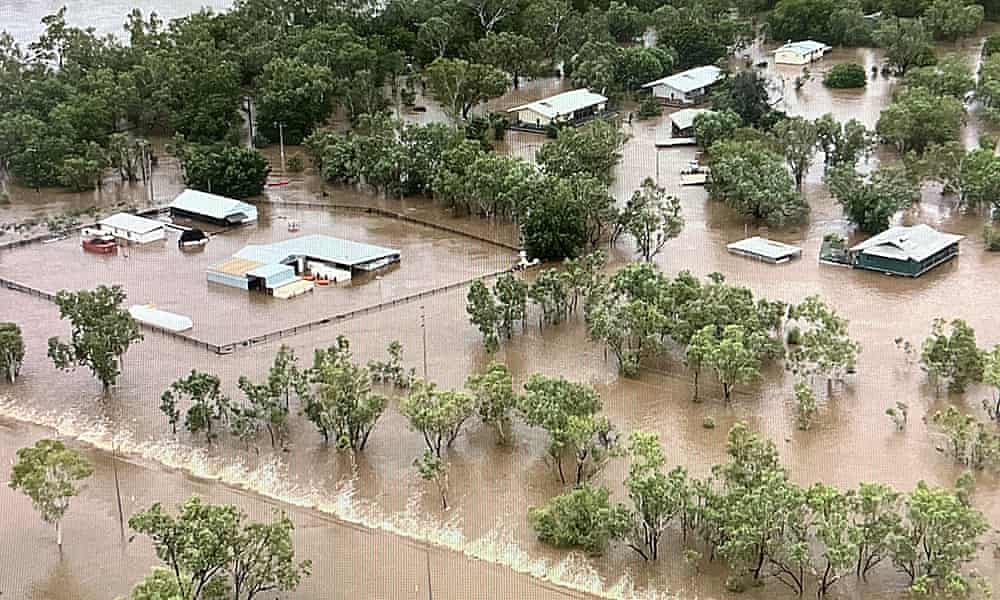 | It is hard to reckon with the scale of the flooding in the Kimberley. The Fitzroy River, which is always huge in flood, peaked at 15.75 metres at Fitzroy Crossing, about 1.8 metres above the previous record. The flow rate, according the Bureau of Meteorology, reached 60,000 cubic metres a second, the highest flow rate ever seen in Australia.
The BoM's WA manager, James Ashley, said:
"The amount of water moving down the Fitzroy River in a day is about what Perth uses, water wise, in 20 years."
The water has destroyed houses, washed cattle downstream, devastated wildlife and left remote communities cut off from both help and supplies. Sarah Collard reports that 100 homes have been left uninhabitable, many in First Nations communities, leaving hundreds homeless in an area where there is already a housing shortage.
Major bridges on the great Northern Highway, the only sealed road from Broome to the Northern Territory, have been washed away and could take years to rebuild. As Tory Shepherd writes, that means the road trains that supply the Kimberley have to take a 7,400km detour through South Australia and the NT. | | The sign over the train station turned museum in El Arish in Queensland was donated to the town by a man who found it in a pub, where it had been used as a piece of decor. It was made for a film set, the 1982 film The Light Horseman. You can share your own photos by joining our Facebook group or by emailing us your photos, and your thoughts, to australia.rural@theguardian.com. | | |  | | Sign up to Morning Mail | | Wake up to the essential news. Our morning briefing wraps up the national and international news and the stories we love | | | |  | Enjoying this newsletter? | |  | | Support high-impact journalism in 2023 | | In 2022, Guardian Australia's journalism made a difference. From the environment to indigenous affairs, political transparency to inequality, our journalists have doggedly pursued the facts, shedding a light on injustice and making a real difference in people's lives. | | | |  | Manage your emails | Unsubscribe | Trouble viewing? | | You are receiving this email because you are a subscriber to The Rural Network. Guardian News & Media Limited - a member of Guardian Media Group PLC. Registered Office: Kings Place, 90 York Way, London, N1 9GU. Registered in England No. 908396 | | | | | |


 Posts
Posts


 It's time for rural Australia to celebrate our LGBTQ+ pioneers – imagine the fabulous statues


No comments:
Post a Comment
🤔